


Moissanite vs. Lab-Grown Diamond: Which One Is Right for You?
When shopping for an engagement ring, many buyers today are exploring alternatives to natural diamonds. Two of the most popular options are moissanite and lab-grown diamonds. While they may look similar at first glance, essential differences between the two can impact your buying decision.
In this article, we'll break down the key differences between moissanite and lab-grown diamonds so you can make an informed, confident choice.
What Is Moissanite?
Moissanite is a gemstone discovered initially in 1893 by French chemist Henri Moissan. What was first found in a meteorite has now been grown in laboratories using advanced technology.
Key characteristics of moissanite:
-
Composed of silicon carbide (SiC)
-
Brilliant sparkle with a higher refractive index than diamonds
-
Almost entirely created in labs today
Moissanite offers a diamond-like appearance at a fraction of the price, making it a popular choice for budget-conscious shoppers.
What Is a Lab-Grown Diamond?
Lab-grown diamonds are real diamonds — chemically, physically, and optically identical to natural diamonds. The only difference is that they are grown in controlled laboratory environments rather than formed over billions of years underground.
Key characteristics of lab-grown diamonds:
-
Composed of pure carbon (C), just like natural diamonds
-
Graded by the same standards (cut, color, clarity, carat)
-
Certified by reputable gemological labs such as IGI or GIA
Lab-grown diamonds offer an excellent alternative for buyers who want a genuine diamond but prefer a more ethical and affordable option.
Visual Differences: Can You Tell Them Apart?
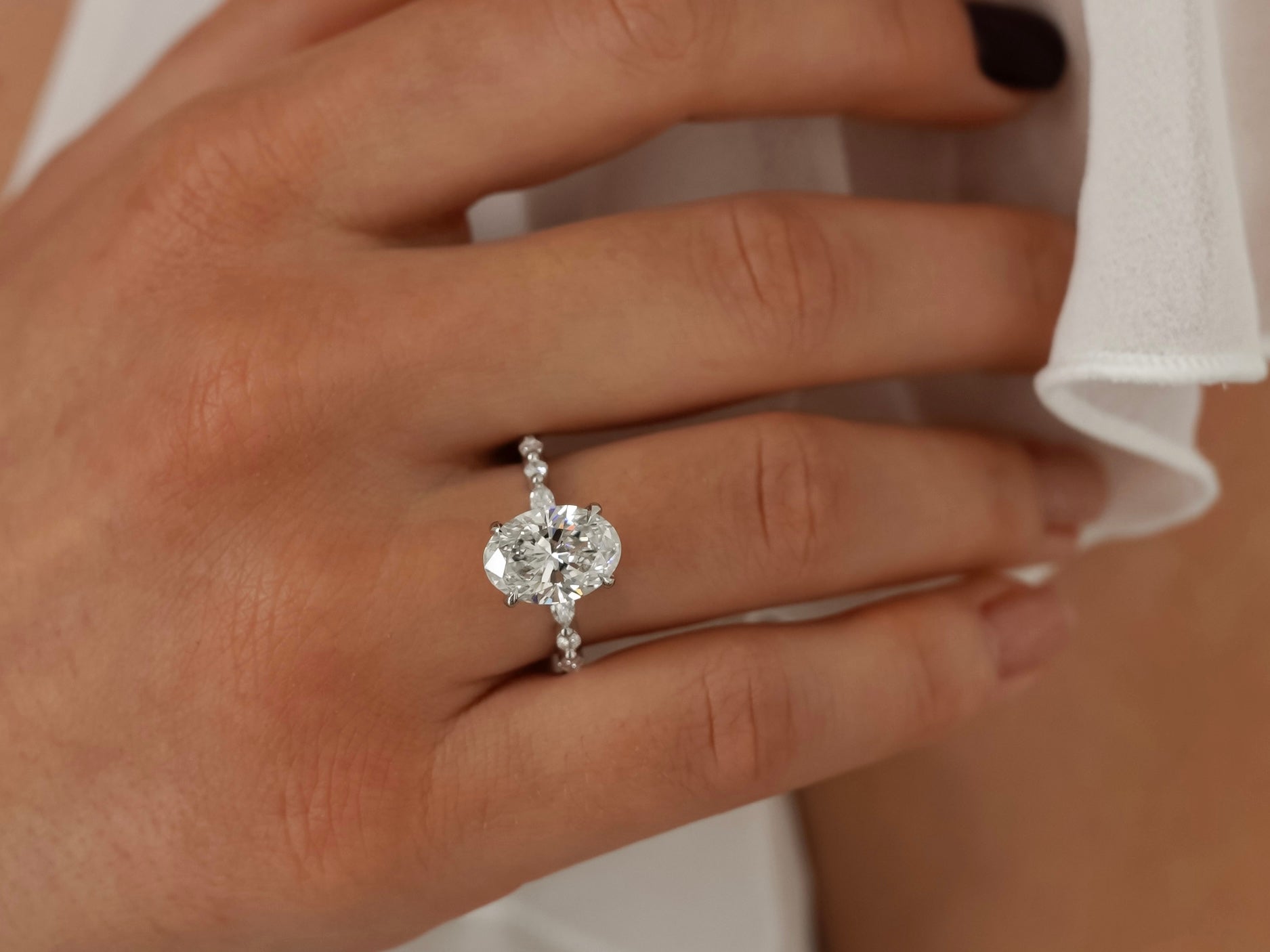
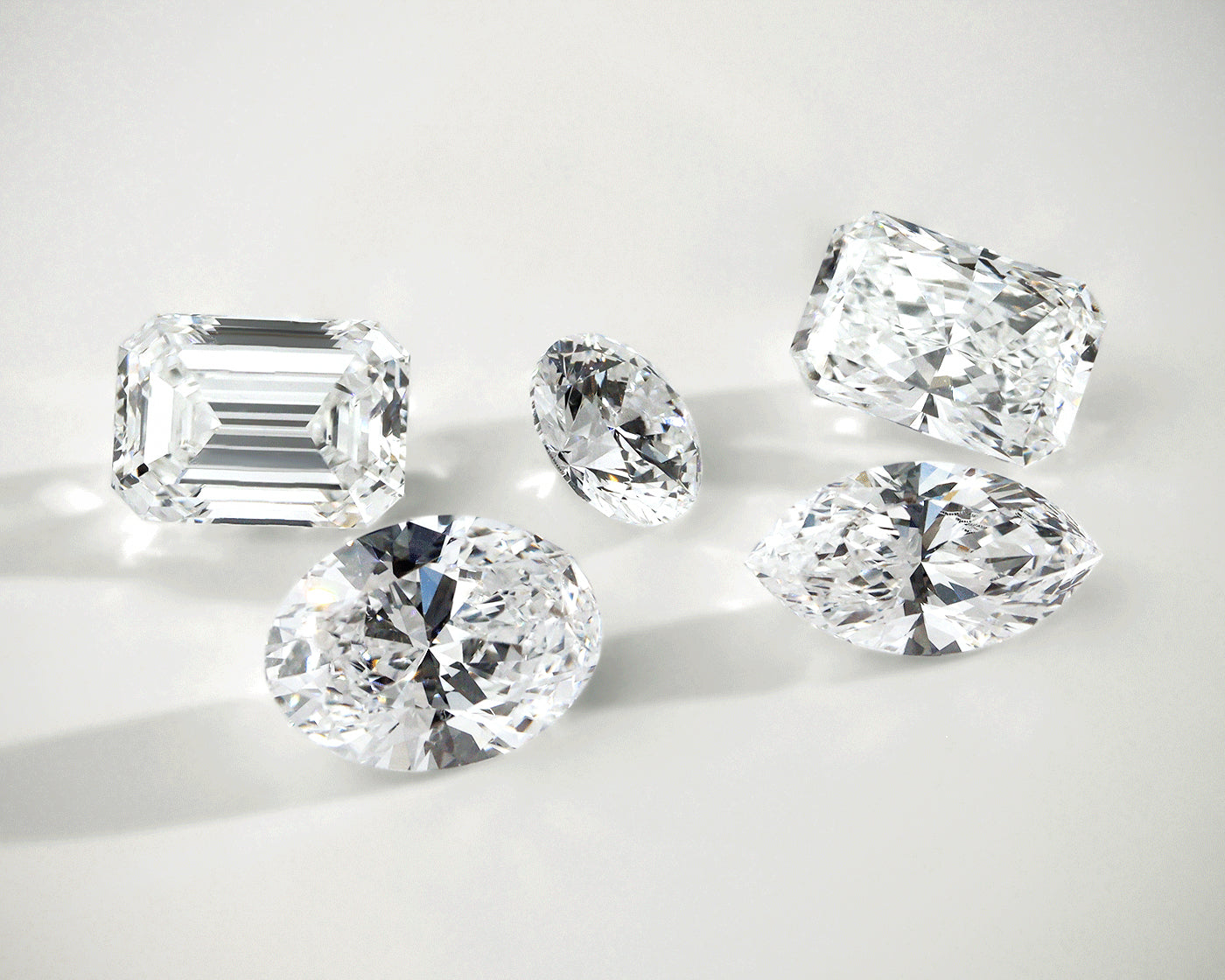
To the untrained eye, moissanite and lab-grown diamonds can appear very similar, especially in smaller sizes. However, there are some subtle visual cues:
-
Moissanite often displays more colorful flashes ("fire"), especially under certain lighting conditions.
-
Lab-grown diamonds have the classic white sparkle most people associate with traditional diamonds.
Under magnification, a gemologist can easily distinguish between the two based on their crystal structure and inclusions.
Price Differences: Which Is More Affordable?
-
Moissanite: Offers significant savings, typically priced at 10-20% of the cost of a comparable natural diamond.
-
Lab Grown Diamond: More affordable than mined diamonds but still priced higher than moissanite due to its identical chemical structure to natural diamonds.
Durability and Everyday Wear
-
Lab-grown diamonds (10 on the Mohs scale): Extremely resistant to scratching and perfect for daily wear.
-
Moissanite (9.25 on the Mohs scale): Also very durable, though slightly softer than diamonds. It's still an excellent option for everyday rings.
Both stones suit engagement rings, wedding bands, and other fine jewelry pieces.
Ethical and Environmental Considerations
Both moissanite and lab-grown diamonds are created in laboratories, offering environmentally friendly and conflict-free alternatives to mined diamonds. However, energy consumption and production practices may vary depending on the manufacturer.
In Conclusion
Both moissanite and lab-grown diamonds are excellent alternatives to traditional mined diamonds, each with its advantages. Understanding their differences allows you to choose a stone that best aligns with your budget, style, and values.


