
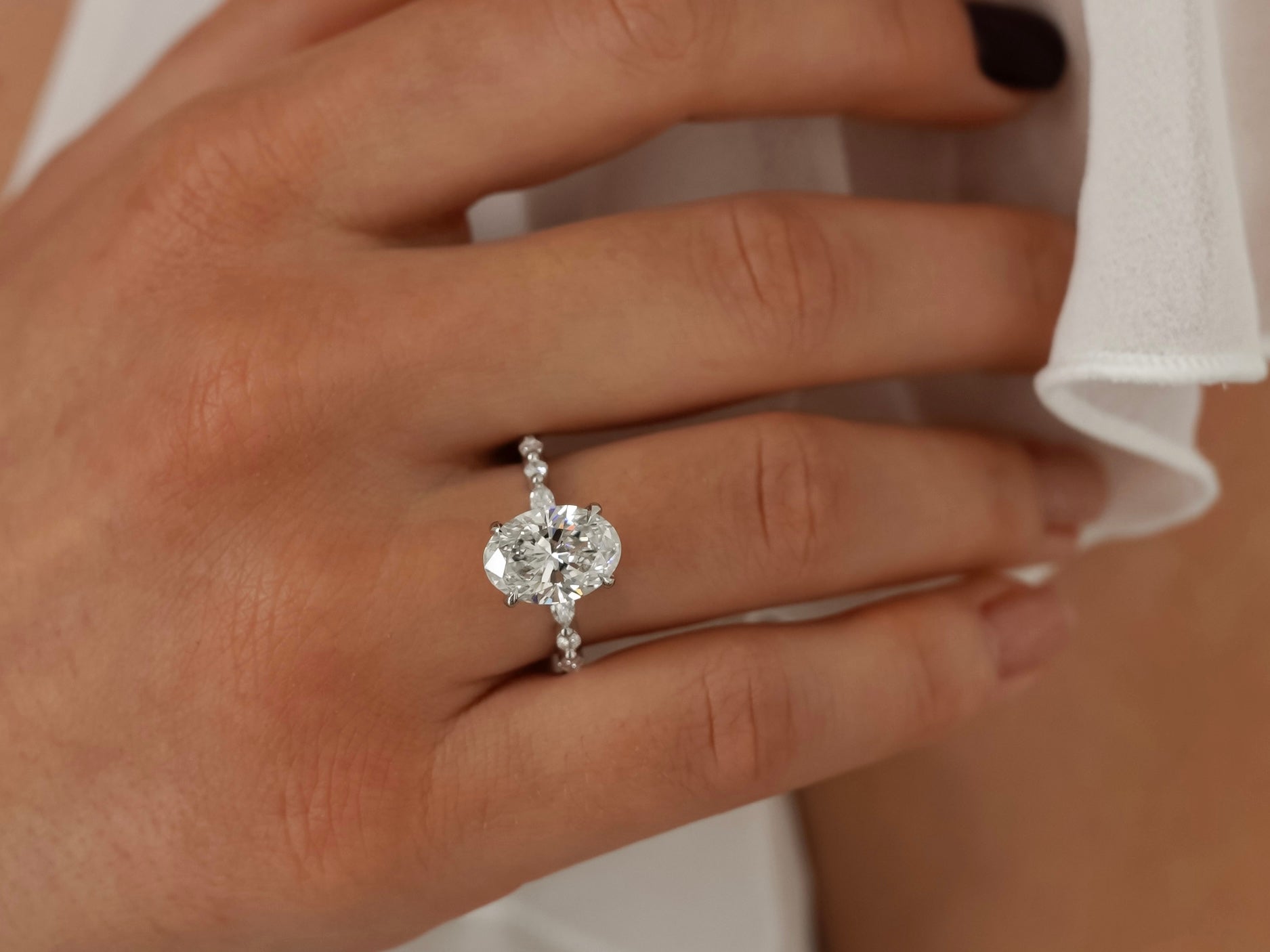

The Complete Guide to Lab-Grown Diamond Engagement Rings
Everything You Need to Know About Lab Diamonds: Quality, Certifications, Comparisons & Expert Buying Advice
What Are Lab-Grown Diamonds?
Lab-grown diamonds are real diamonds created in highly controlled laboratory environments using advanced technology that replicates the natural diamond-growing process. They possess the same chemical, physical, and optical properties as mined diamonds, making them visually and scientifically identical.
At Bellisa Jewellery, lab-grown diamonds have become one of the fastest-growing choices among couples seeking exceptional quality, ethical sourcing, and greater value without compromising on beauty.
Why Are Lab Diamonds So Popular?
Lab-grown diamonds have transformed the engagement ring industry by offering consumers access to larger, higher-quality diamonds at a more accessible price point.
Many couples choose lab diamonds because they provide:
- Real diamond composition
- Excellent value
- Ethical sourcing
- Larger diamond sizes for the same budget
- IGI certification availability
- Identical appearance to mined diamonds
Our Experience Working With Lab-Grown Diamonds
At Bellisa Jewellery, we have helped thousands of couples across Canada and the United States create custom lab-grown diamond engagement rings.
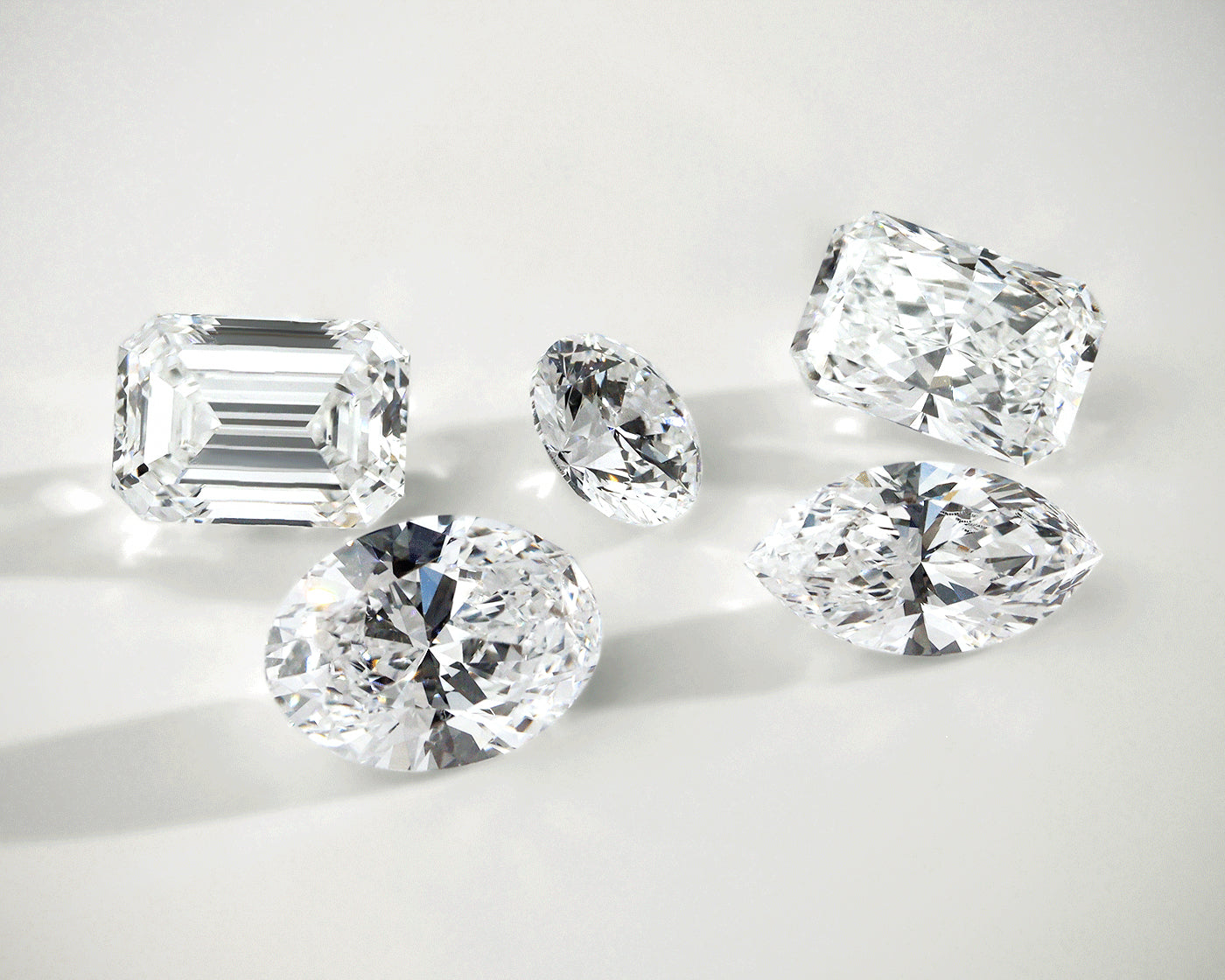
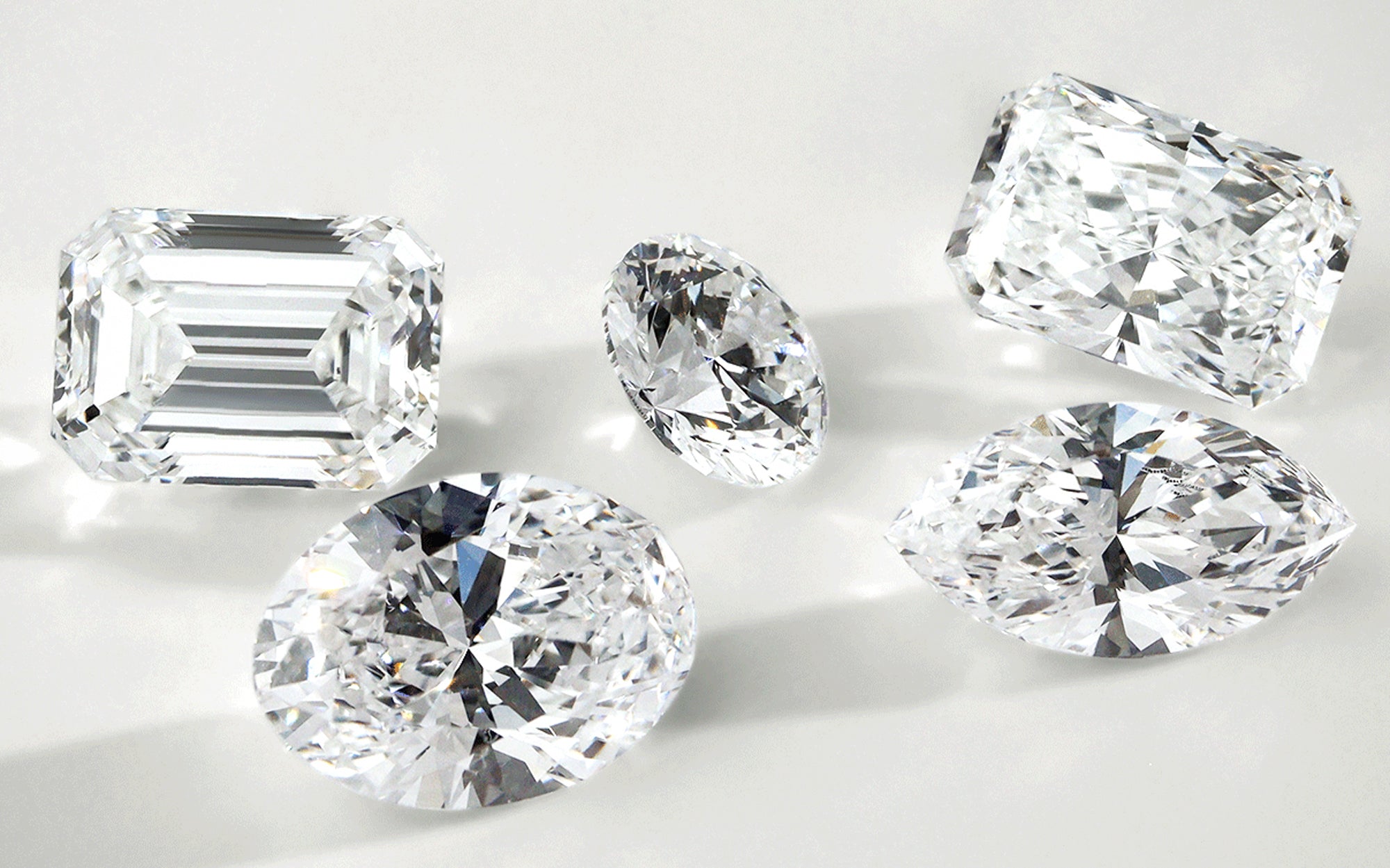
Over the years, we've seen increasing demand for larger center stones, particularly in oval, elongated cushion, emerald, and radiant cuts. Many clients who initially considered natural diamonds ultimately choose lab-grown diamonds because they can achieve significantly larger carat sizes while maintaining exceptional color and clarity grades.
Among our clients, diamonds between 1.5 and 3 carats remain the most popular range for engagement rings.
Are Lab-Grown Diamonds Real Diamonds?
Yes. Lab-grown diamonds are real diamonds. This is perhaps the most common misconception in the jewellery industry.
Both lab-grown and natural diamonds share:
- Identical chemical composition
- Identical crystal structure
- Identical hardness
- Identical optical properties
Even professional gemologists require specialized testing equipment to determine whether a diamond was created in a laboratory or formed naturally underground.
Lab-Grown Diamond vs Natural Diamond
| Feature | Lab Diamond | Natural Diamond |
|---|---|---|
| Composition | Carbon | Carbon |
| Hardness | 10 | 10 |
| Appearance | Identical | Identical |
| Certification | Available | Available |
| Origin | Laboratory Created | Earth Formed |
| Price | Lower | Higher |
How Durable Are Lab Diamonds?
Lab-grown diamonds rank 10 on the Mohs Hardness Scale, making them the hardest gemstones available.
For comparison:
- Diamond: 10
- Moissanite: 9.25
- Sapphire: 9
- Emerald: 7.5 - 8
This exceptional durability makes lab-grown diamonds ideal for engagement rings intended to be worn daily for a lifetime.
Do Lab Diamonds Pass Diamond Testers?
Yes.
Because lab-grown diamonds are chemically identical to mined diamonds, they pass traditional diamond testers in exactly the same way.
This is one of the key differences between lab-grown diamonds and diamond alternatives such as moissanite or cubic zirconia.
Quick Facts About Lab Diamonds
✓ Real diamonds
✓ Mohs hardness 10
✓ Pass diamond testers
✓ IGI certification available
✓ Available in all popular shapes
✓ Ideal for everyday engagement rings
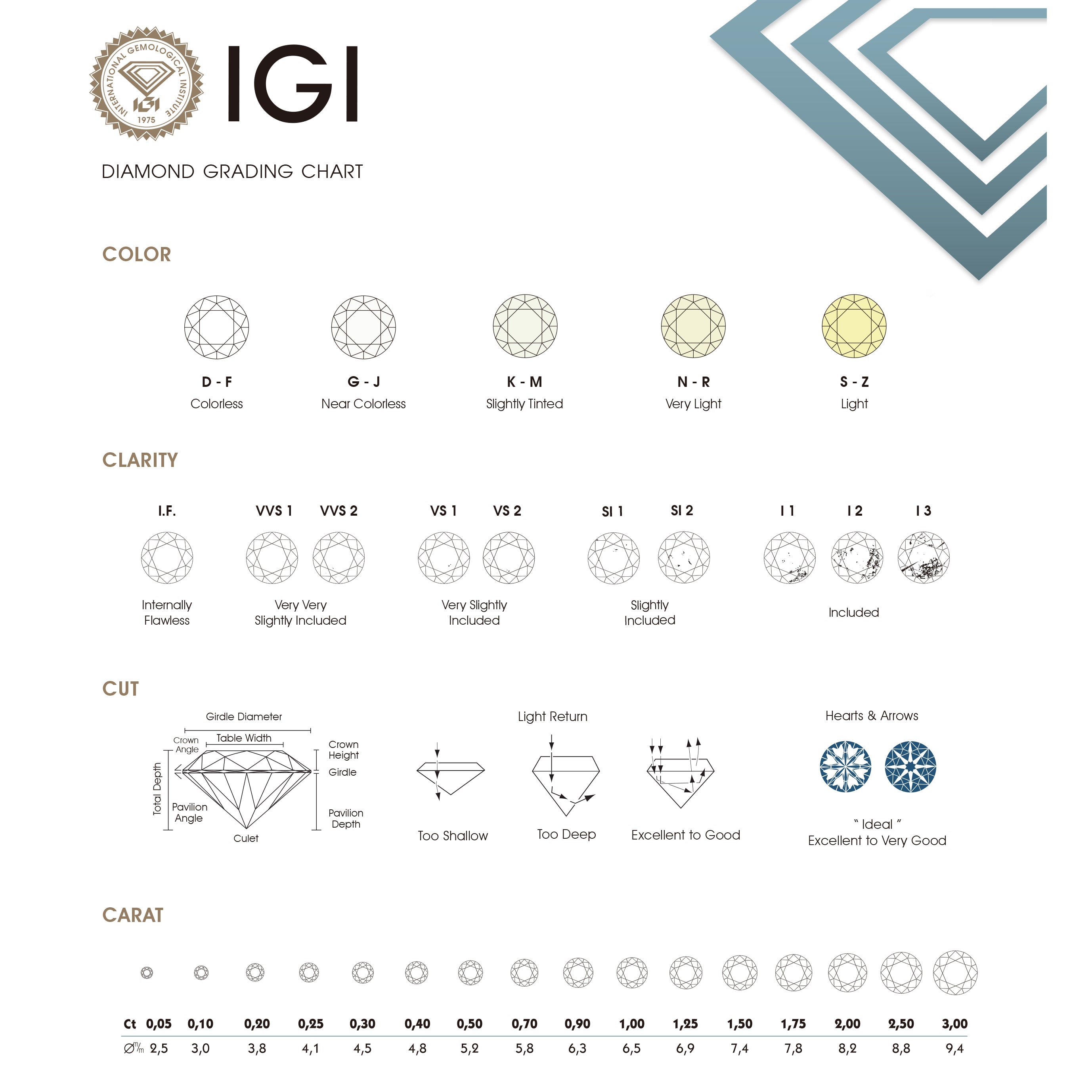
Understanding Lab Diamond Quality: The 4Cs Explained
When selecting a lab-grown diamond, understanding the 4Cs—Cut, Color, Clarity, and Carat Weight—can help you make a more informed decision. These grading factors are used by gemological laboratories such as IGI to evaluate a diamond's quality and value.
Cut
The cut determines how effectively a diamond reflects light. A well-cut diamond will appear brighter, more lively, and more brilliant.
Color
Diamond color is graded from D to Z, with D representing the most colorless diamonds. Most clients choose diamonds within the D–F (Colorless) or G–J (Near Colorless) range.
Clarity
Clarity refers to internal and external characteristics within a diamond. VS1, VS2, and SI1 diamonds often provide an excellent balance between appearance and value.
Carat Weight
Carat measures a diamond's weight, not its visible size. Two diamonds of the same carat weight can appear different depending on their proportions and cut quality.
Our Expert Advice When Choosing a Lab Diamond
At Bellisa Jewellery, we've helped thousands of couples select lab-grown diamonds for their engagement rings. While every client has different priorities, we generally recommend focusing on cut quality first, as it has the greatest impact on a diamond's overall beauty and sparkle.
For most engagement rings, we find that diamonds in the E–F color range and VS1 clarity range offer exceptional value while appearing beautiful to the naked eye.
Rather than maximizing a single characteristic, the best diamond is often one that balances cut, color, clarity, and carat weight according to your personal style and budget.
Advantages of Lab-Grown Diamonds
Real Diamond Composition
You receive a genuine diamond with identical physical and optical properties to a mined diamond.
Larger Center Stones
Many couples can increase their carat size without increasing their budget.
Wide Selection
Available in nearly every shape, size, color, and clarity combination. Learn more about shapes
Ethical Origins
Lab diamonds eliminate the need for traditional diamond mining.
Are There Any Disadvantages to Lab-Grown Diamonds?
Like any diamond option, lab-grown diamonds may not be the perfect choice for everyone.
Some buyers still prefer the rarity and geological history associated with natural diamonds. Lab-grown diamonds may also have lower resale value compared to certain natural diamonds.
The best choice ultimately depends on your personal priorities and values.
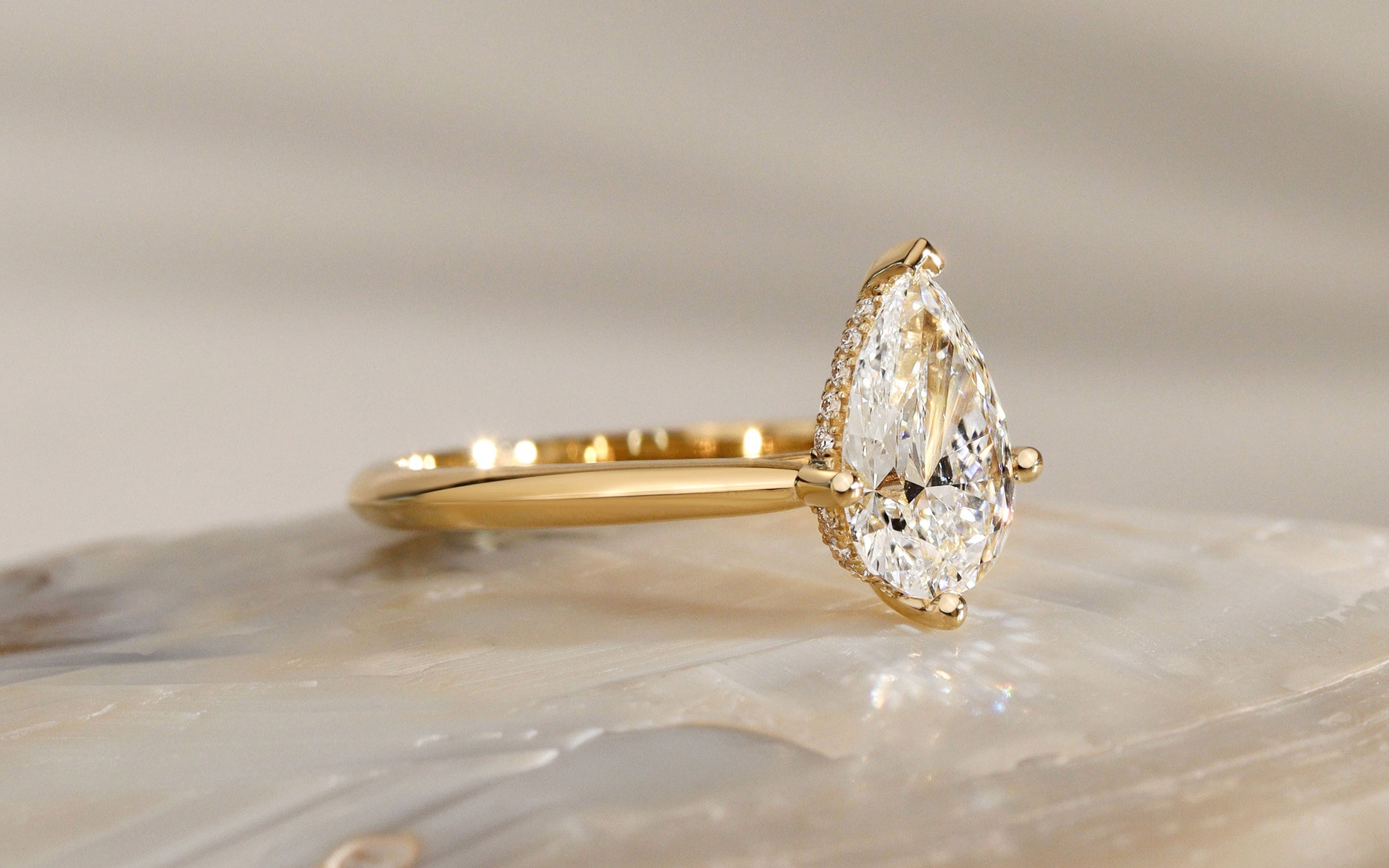
Who Should Choose Lab-Grown Diamonds?
Lab-grown diamonds may be ideal if you:
✓ Want a real diamond
✓ Prefer larger carat sizes
✓ Value ethical sourcing
✓ Want exceptional value
✓ Prefer IGI-certified diamonds
✓ Desire premium color and clarity grades
Explore Our Lab-Grown Diamond Engagement Rings


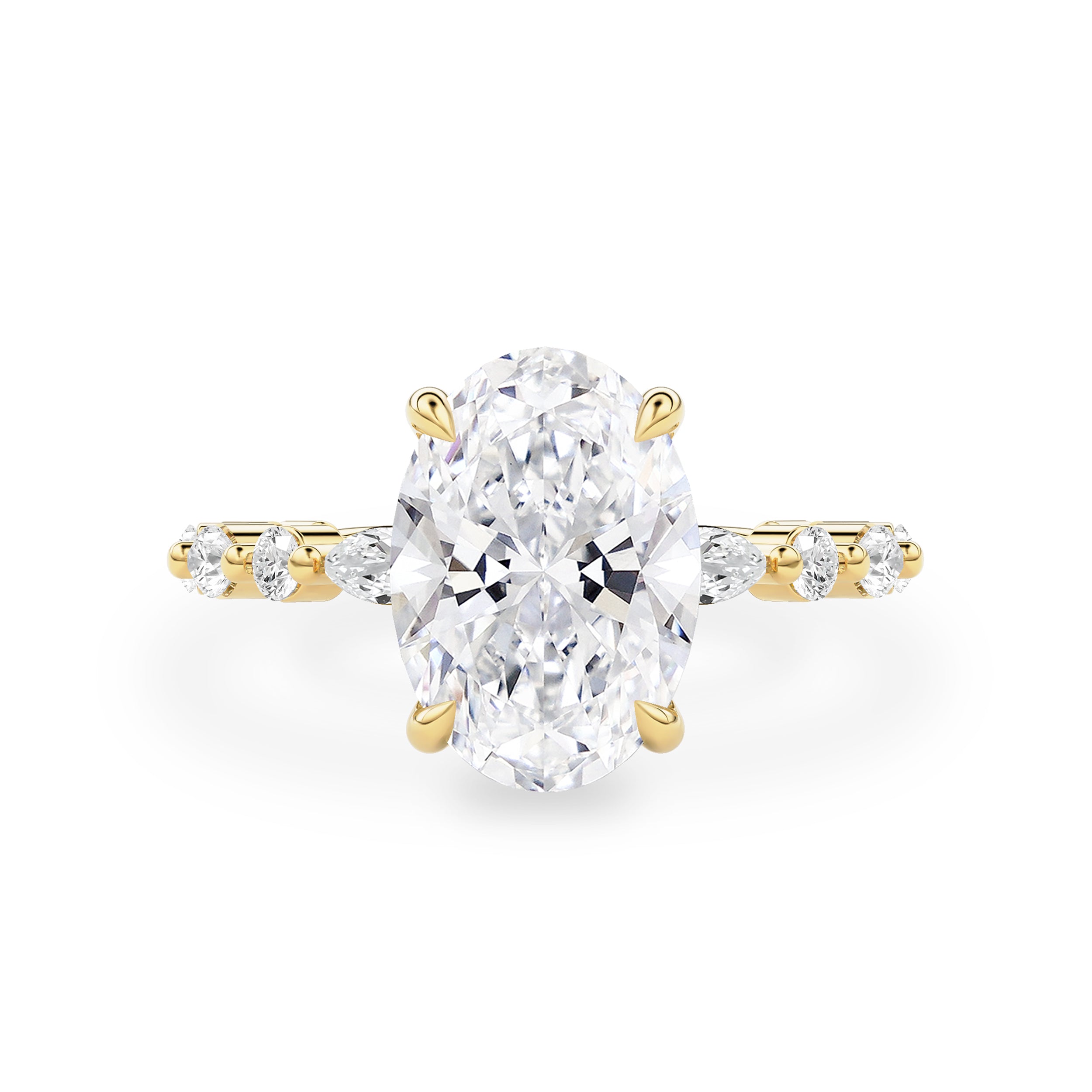
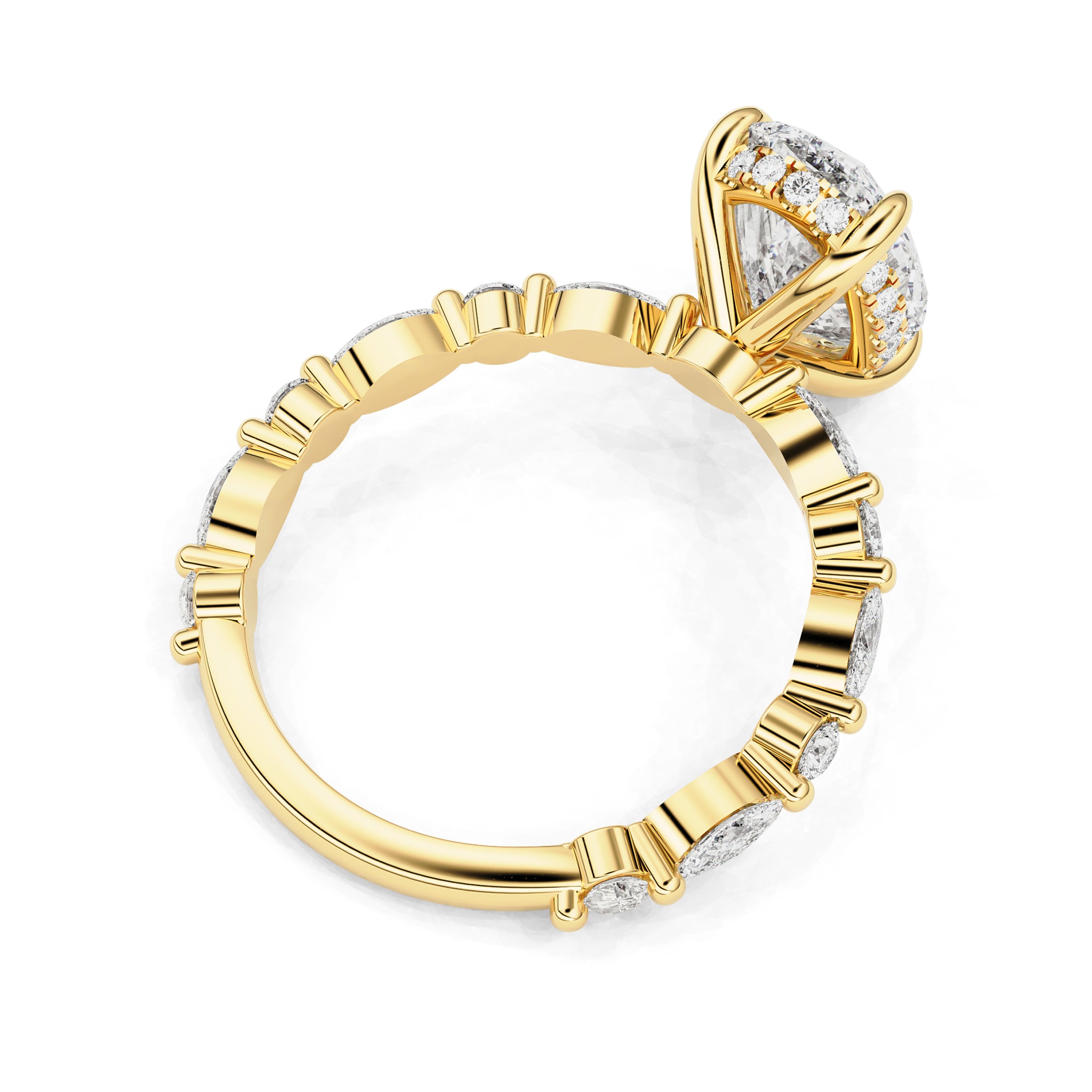
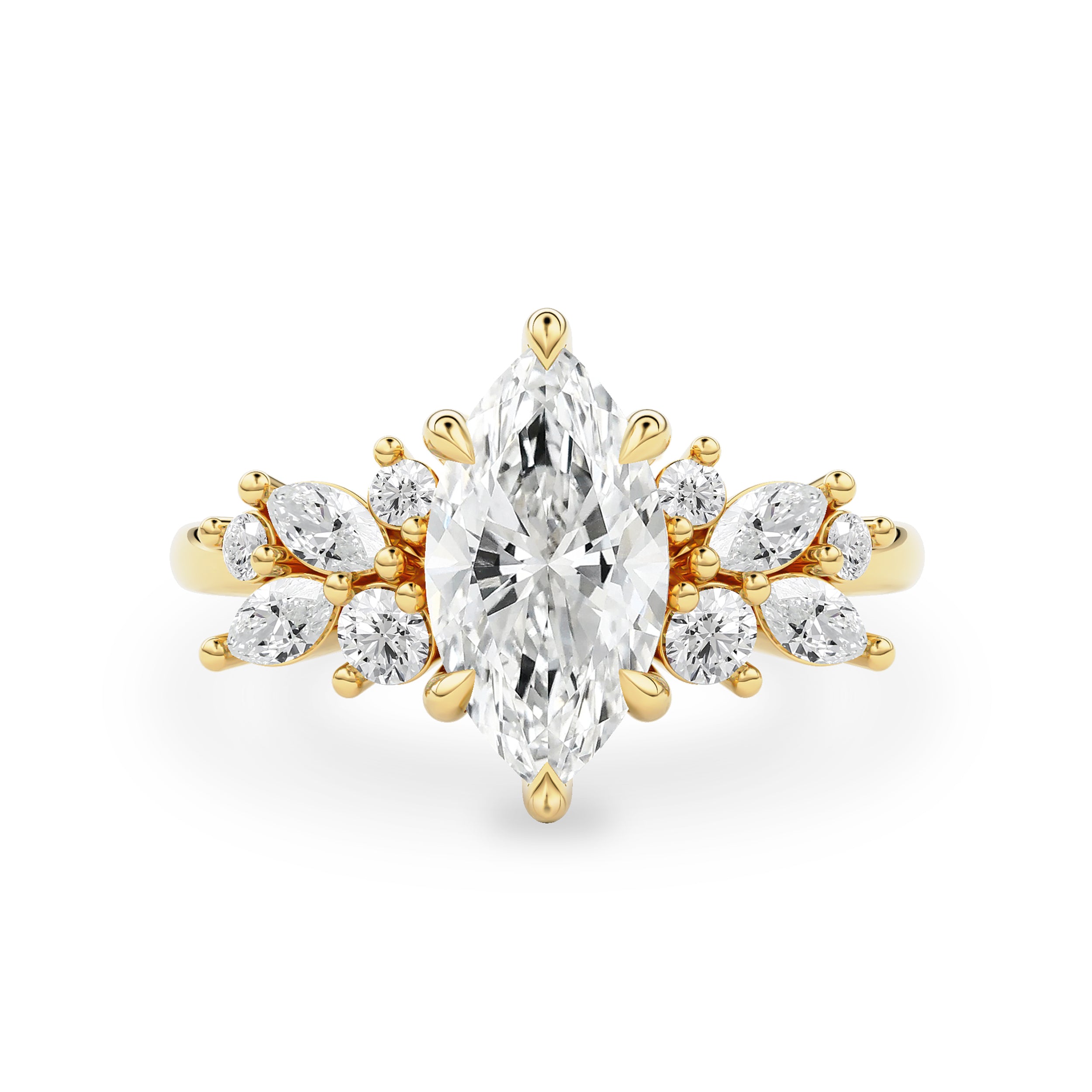
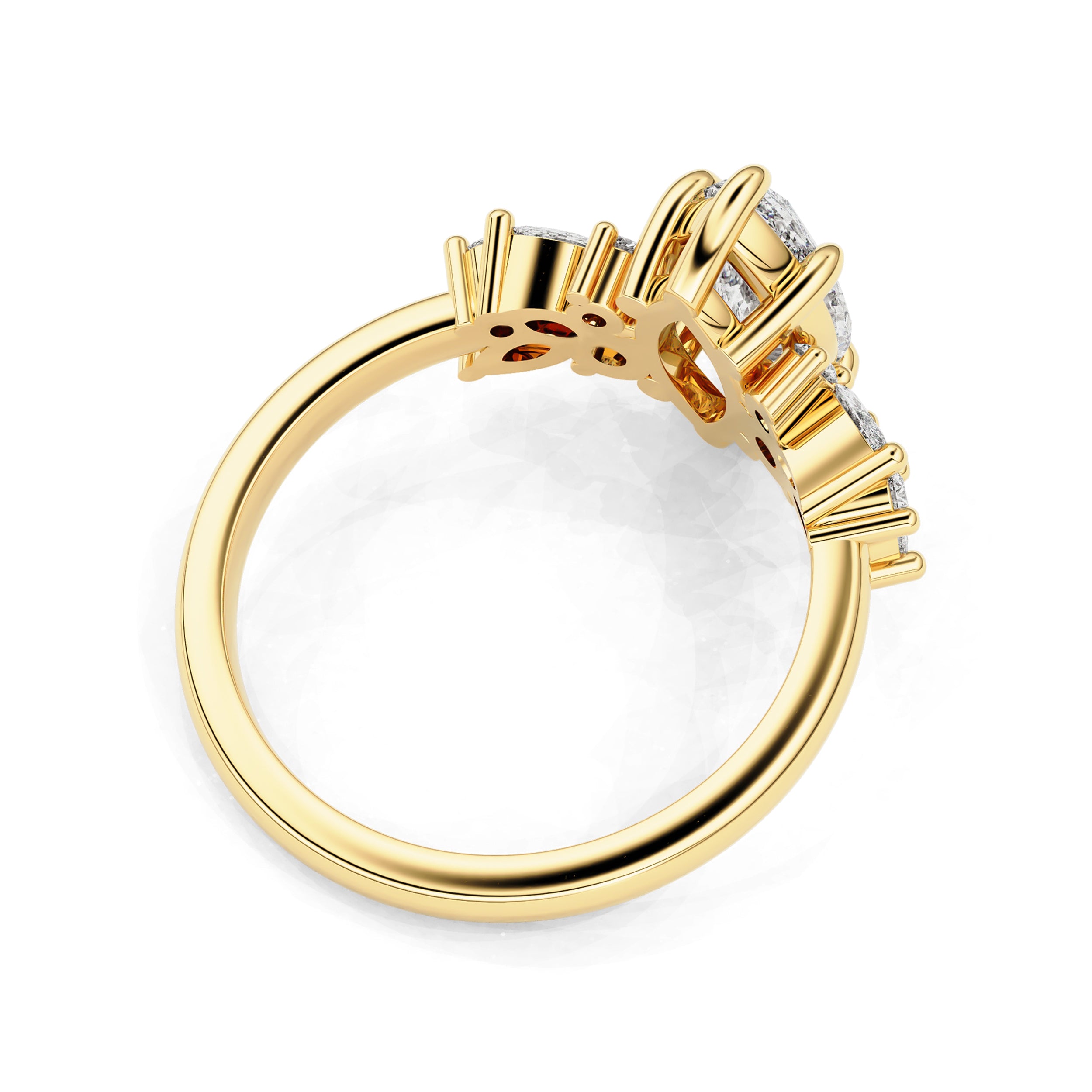
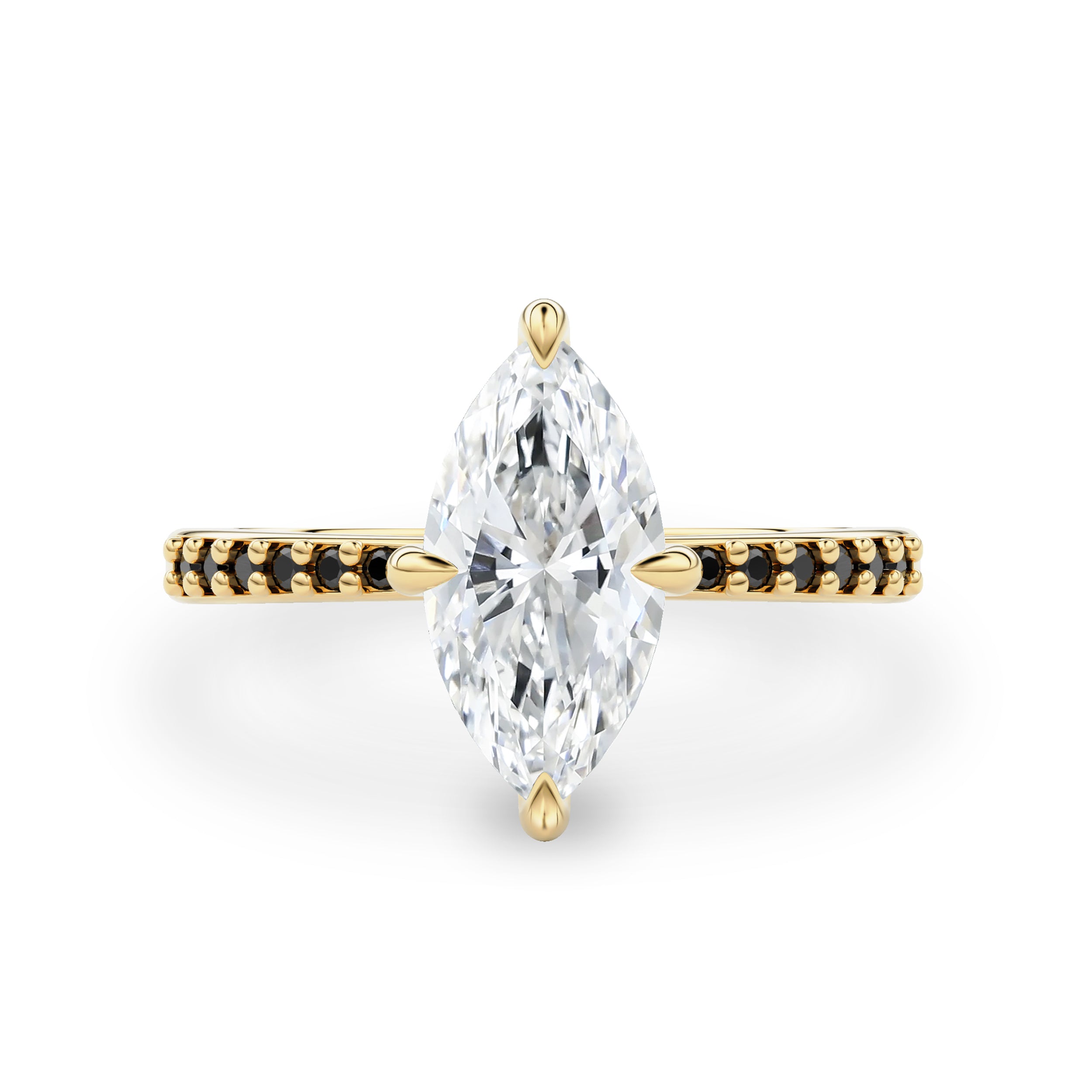
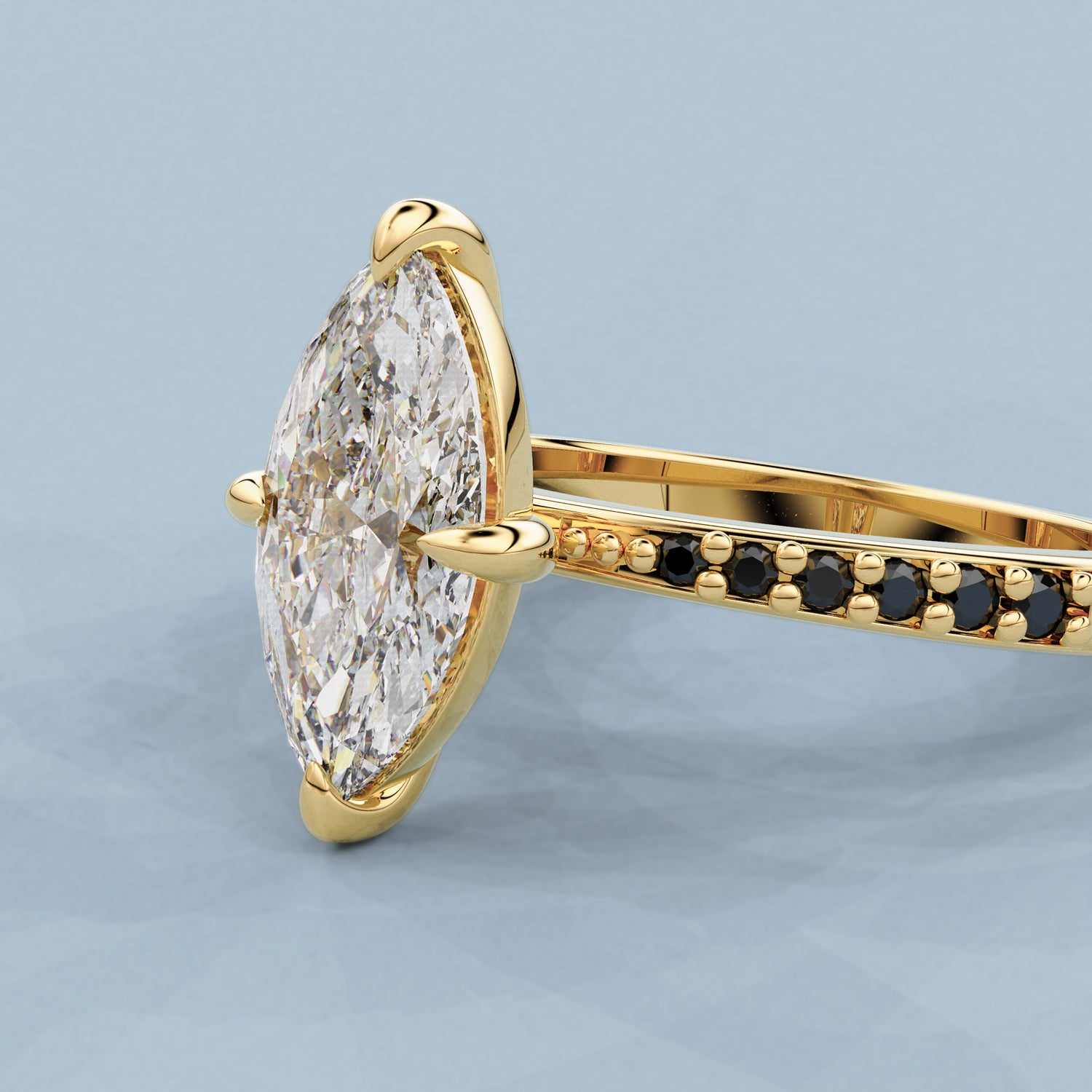
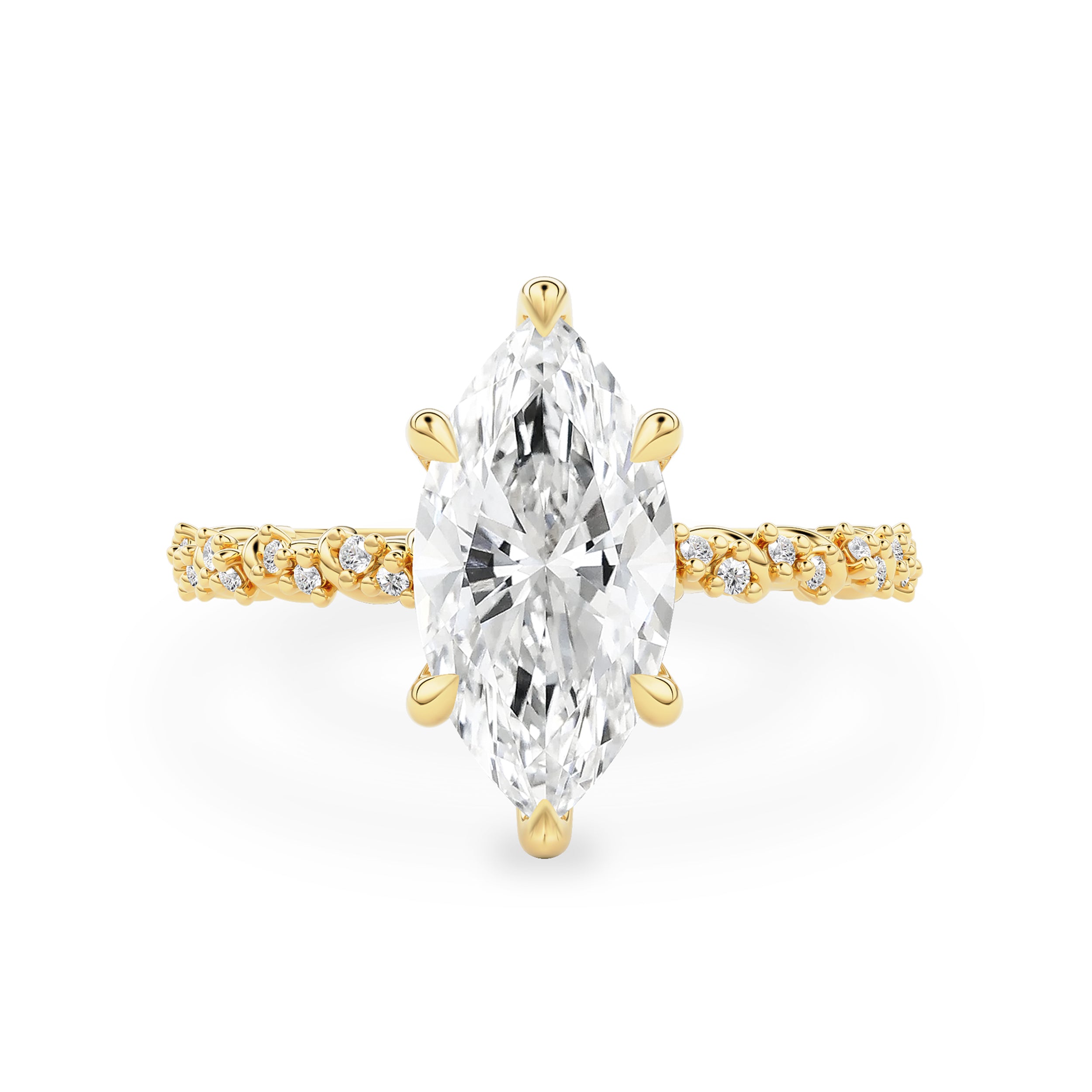
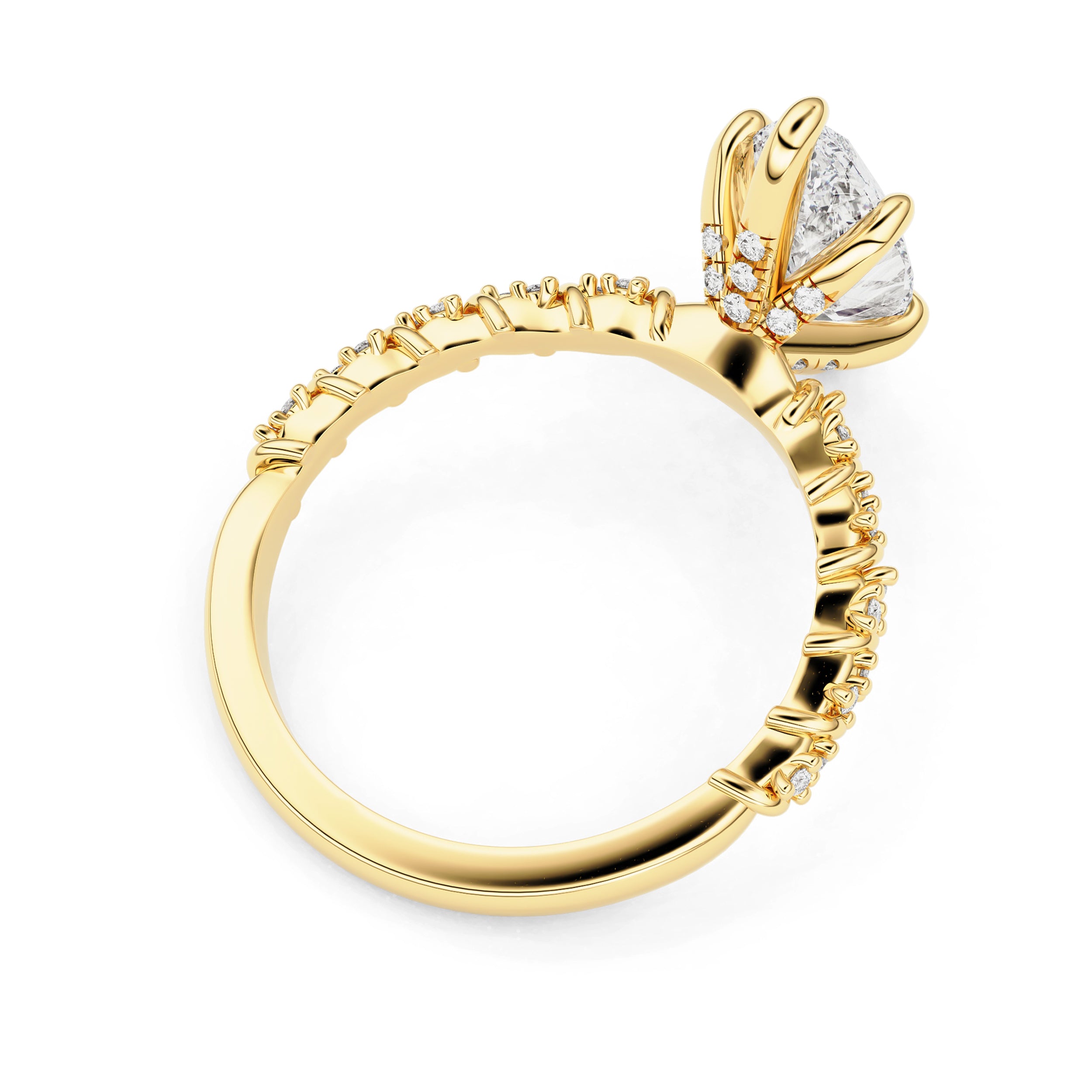
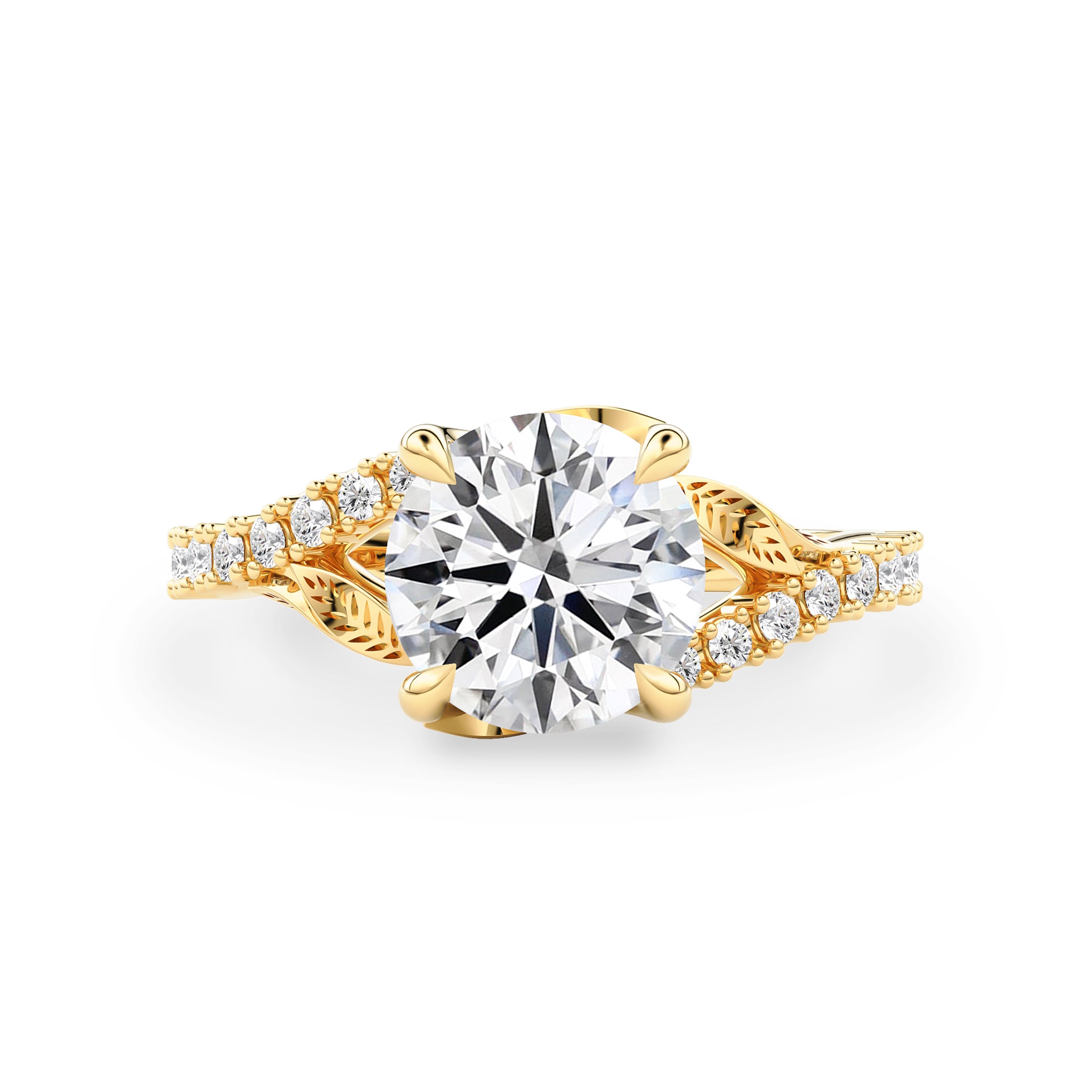
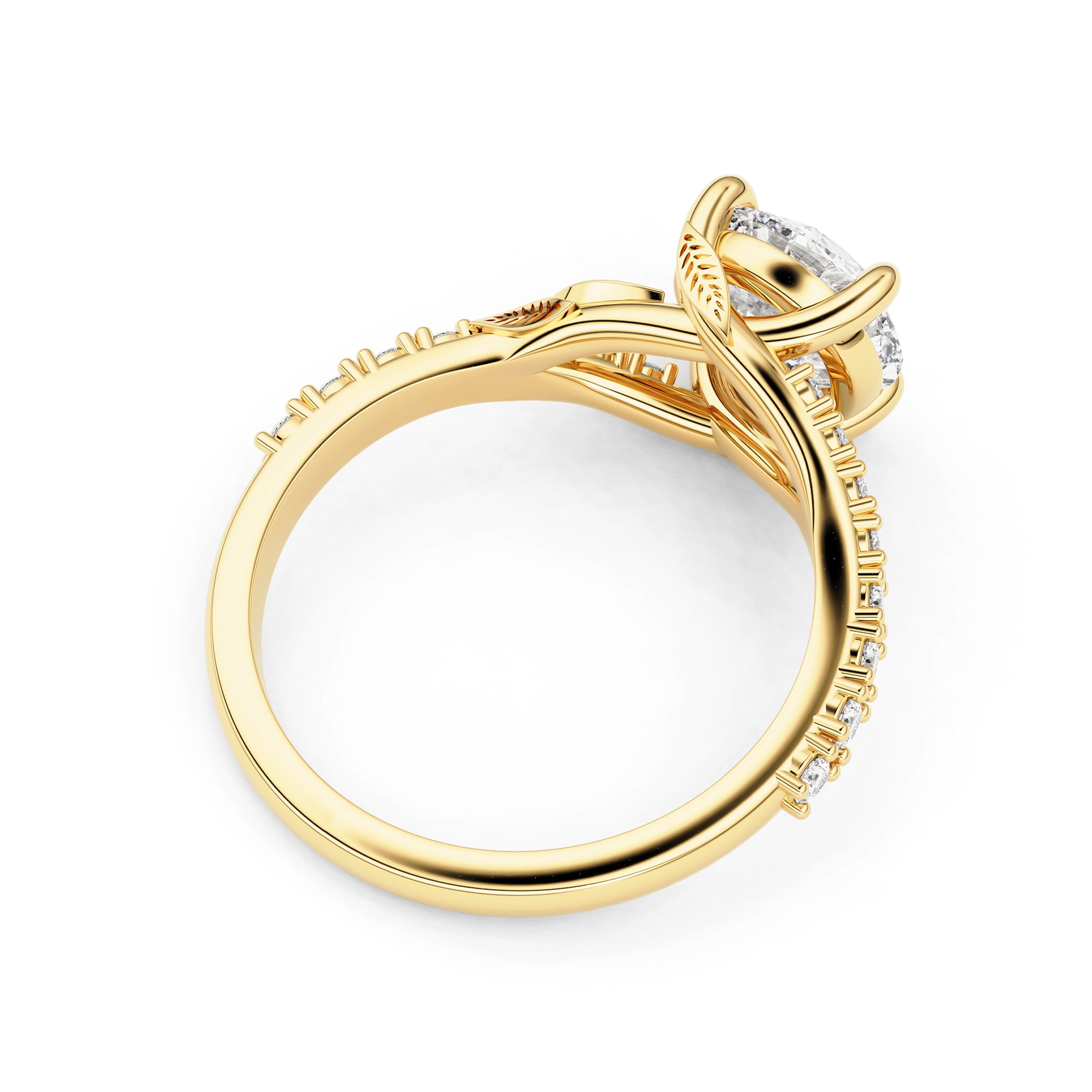
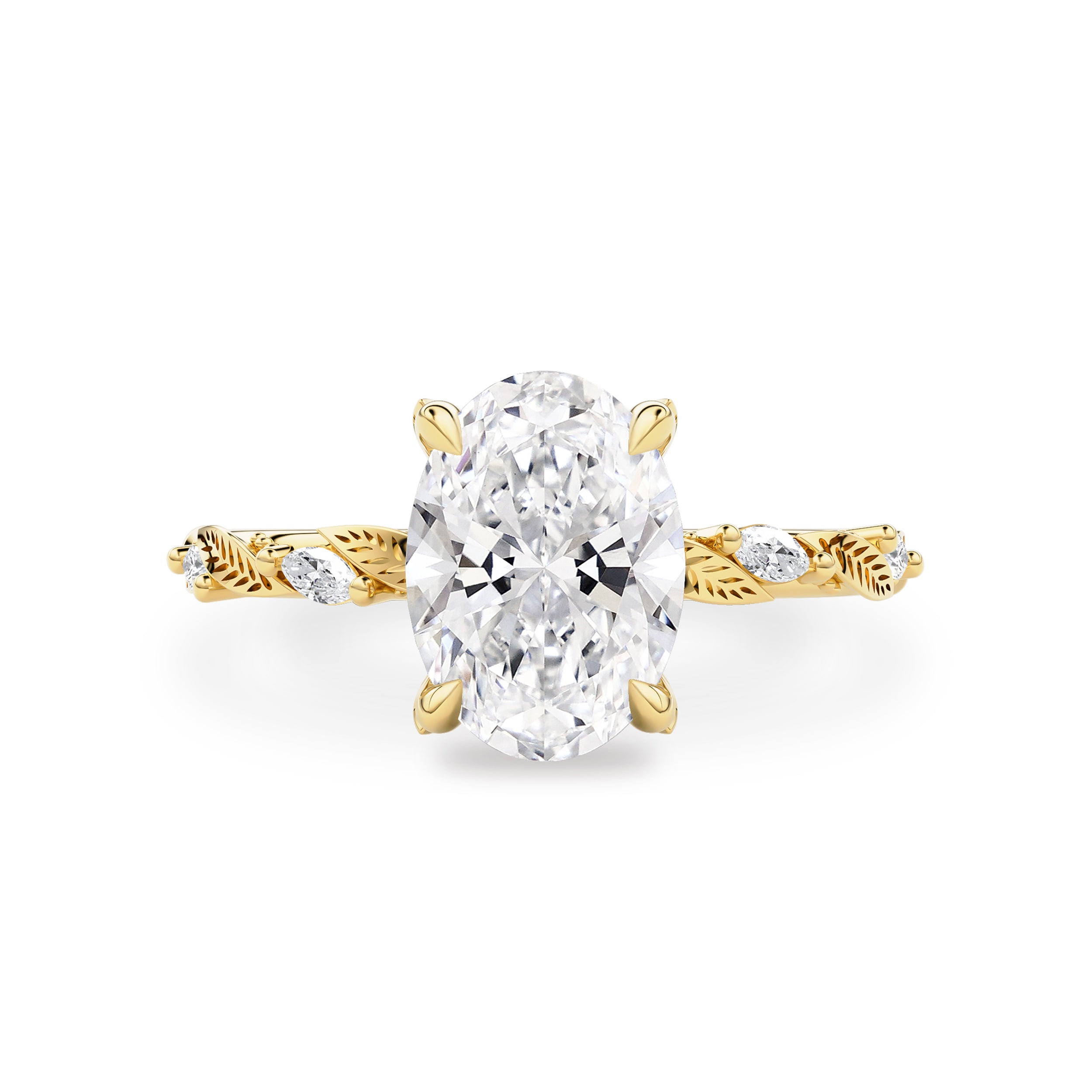
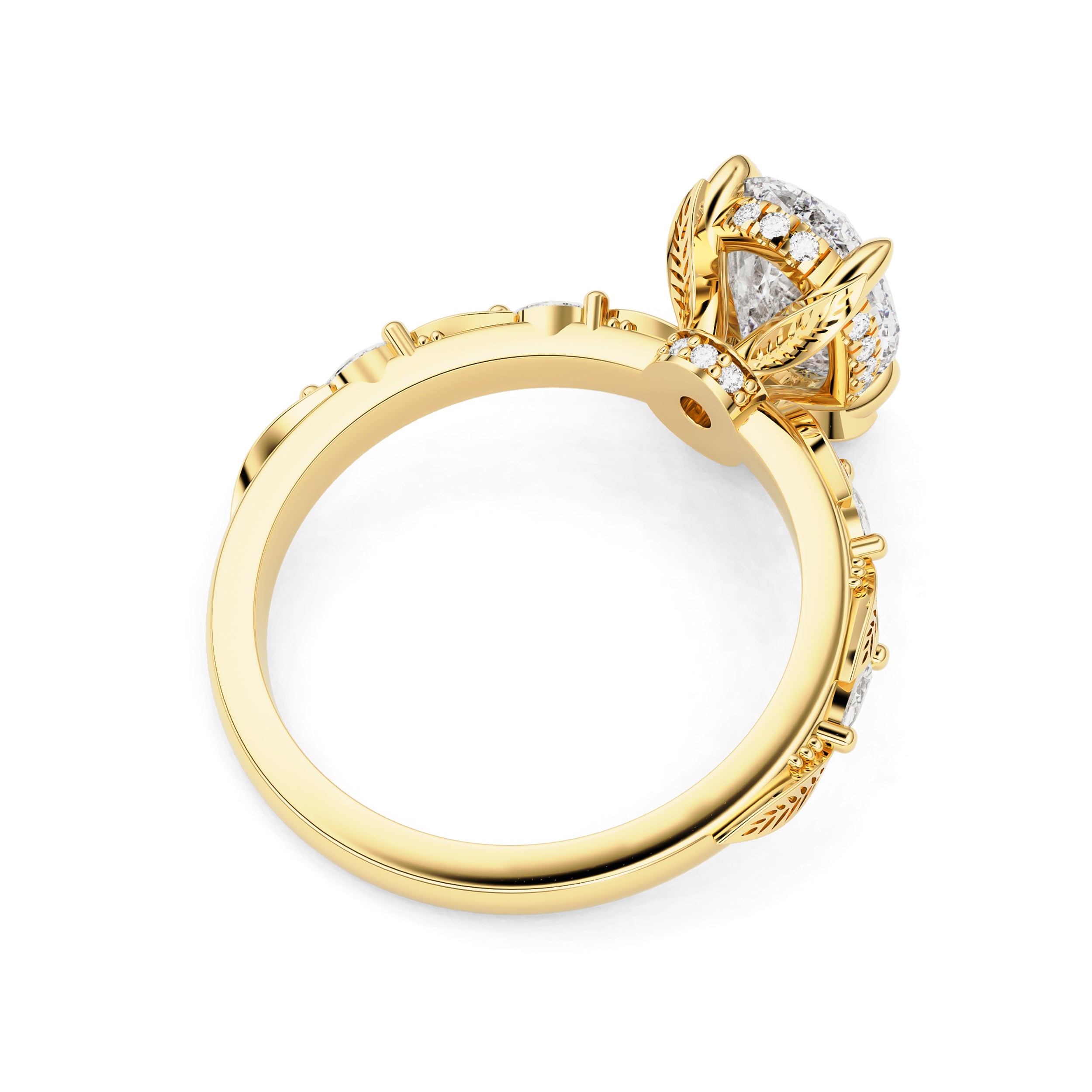
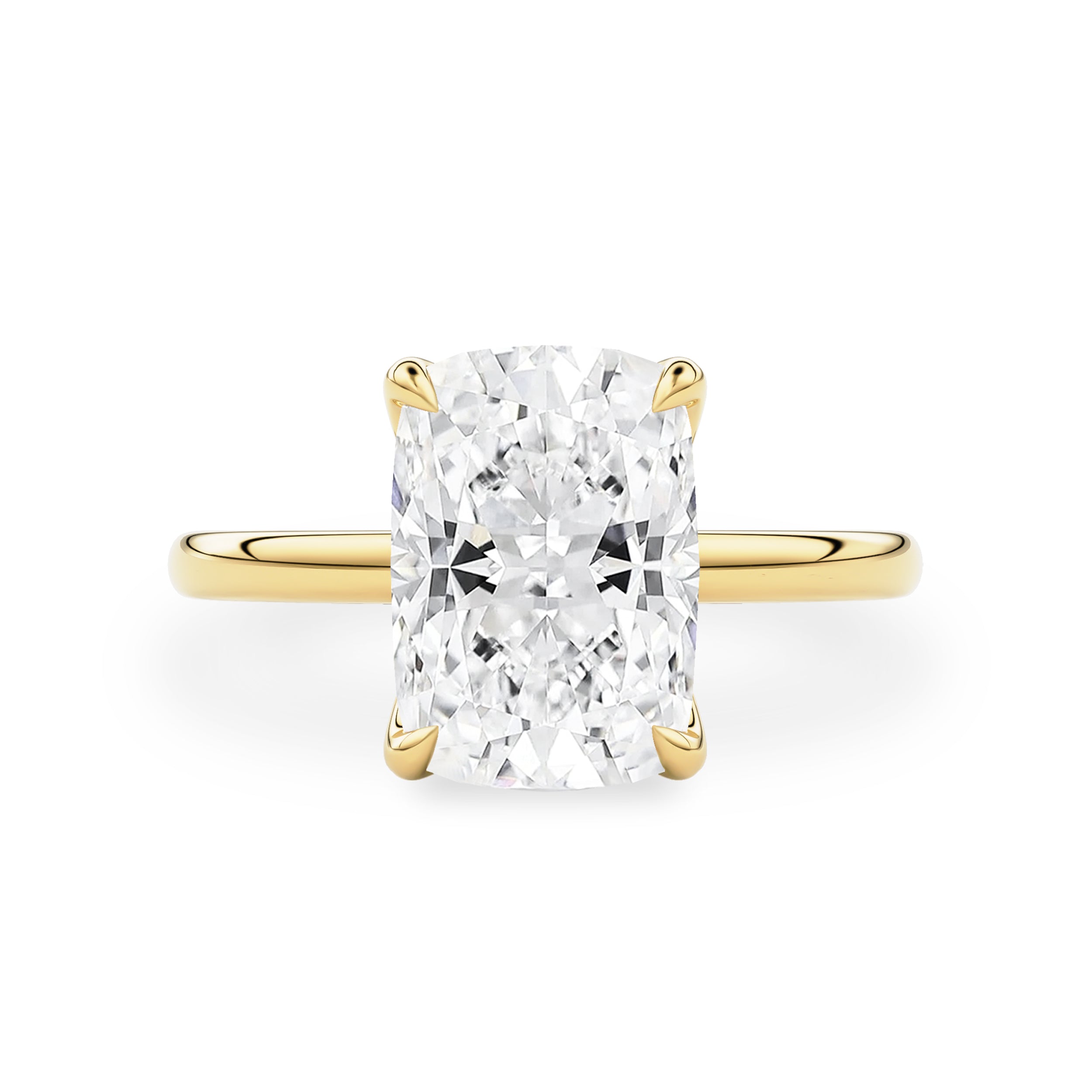
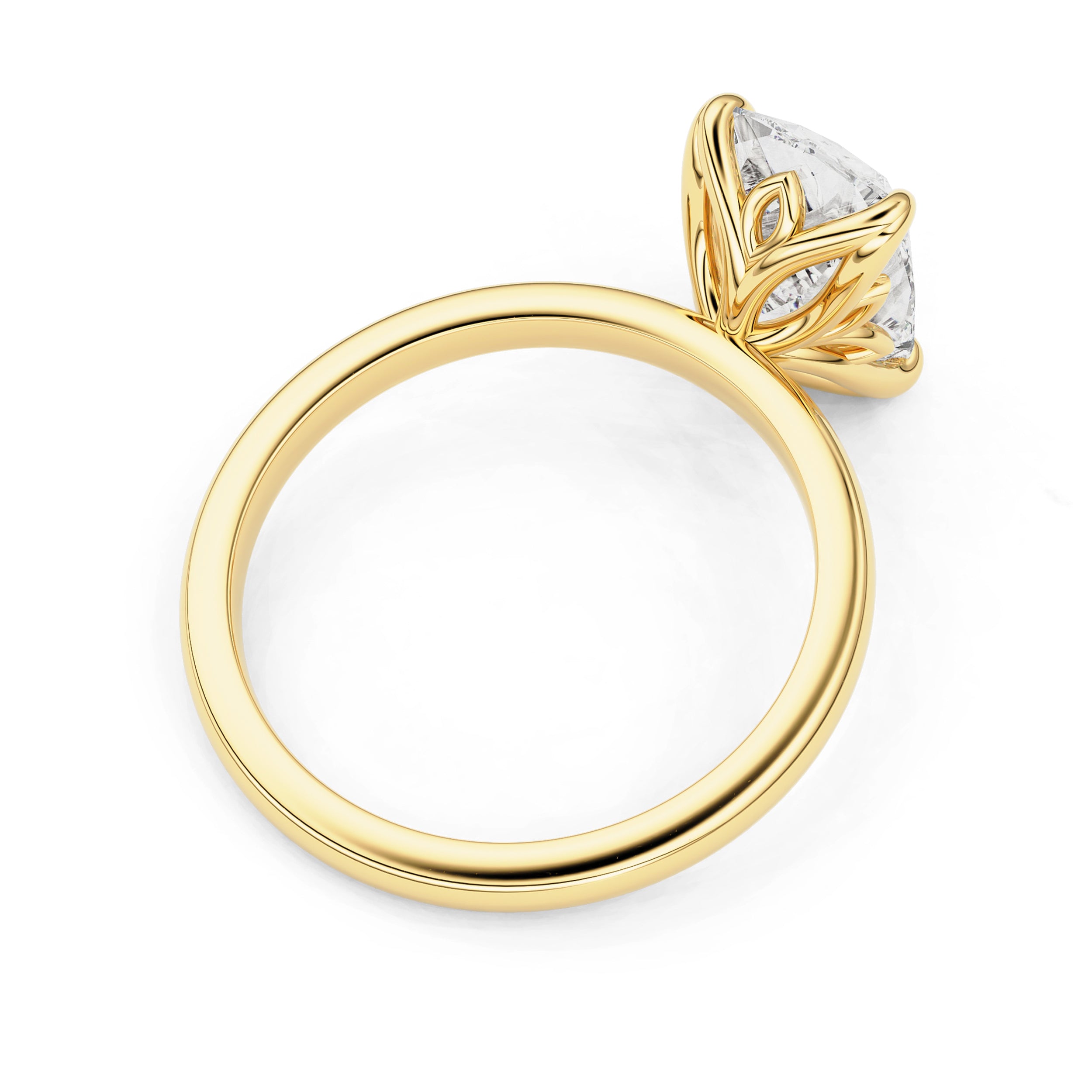
Proudly Handcrafted in Canada
Why Choose Bellisa Jewellery For Your Lab Diamond Ring?
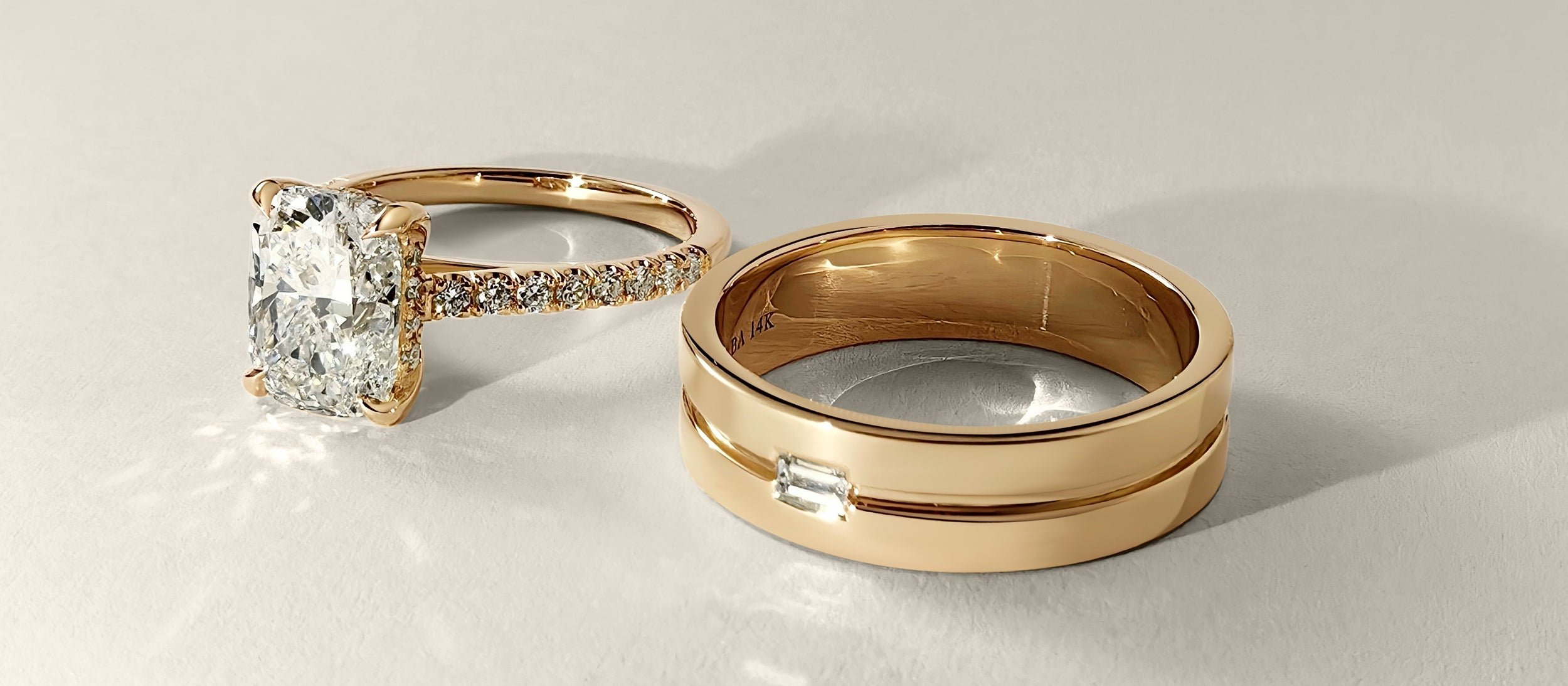
Unlike many online retailers that import finished rings from overseas, every Bellisa engagement ring is handcrafted in Canada and customized to order. Our design team works directly with clients throughout the process, allowing for a more personalized experience and greater flexibility when creating a lab-grown diamond engagement ring.
At Bellisa, we carefully curate IGI-certified lab-grown diamonds with a focus on excellent cut quality, exceptional brilliance, and long-term value. Whether you're searching for a classic solitaire, a larger center stone, or a fully bespoke design, our team is here to help you find the right balance of beauty, quality, and budget.
When choosing Bellisa, you'll enjoy:
✓ Handcrafted in Canada
✓ IGI-Certified Lab-Grown Diamonds
✓ Fully Customizable Designs
✓ Complimentary CAD Design Preview
✓ Lifetime Limited Warranty
✓ Complimentary Ring Sizing Program
✓ Direct Communication With Our Design Team
Whether you're looking for a timeless solitaire, a vintage-inspired design, or a completely bespoke engagement ring, our team is here to help bring your vision to life. Learn more about our custom design process
Ready to Find Your Perfect Lab Diamond Ring?
Explore our collection of handcrafted lab-grown diamond engagement rings or schedule a complimentary consultation with our design team.
Frequently Asked Questions About Lab-Grown Diamonds
Yes. Lab-grown diamonds are real diamonds. They have the same chemical composition, crystal structure, hardness, and optical properties as natural diamonds. The only difference is their origin: lab-grown diamonds are created in a controlled laboratory environment, while natural diamonds form underground over billions of years.
Absolutely. High-quality lab-grown diamonds can be independently graded and certified by reputable gemological laboratories such as IGI (International Gemological Institute). A lab diamond certificate verifies important characteristics including carat weight, color, clarity, cut quality, and measurements.
At Bellisa Jewellery, all qualifying lab-grown diamonds over 1ct are accompanied by an IGI grading report.
Yes. Because lab-grown diamonds are chemically identical to natural diamonds, they pass traditional diamond testers in the same way. Specialized laboratory equipment is required to determine whether a diamond is natural or laboratory-grown.
In most cases, yes. Lab-grown diamonds typically cost significantly less than natural diamonds of comparable size and quality. This allows many couples to choose a larger center stone or higher color and clarity grades while staying within their desired budget.
Yes. Lab-grown diamonds display the same brilliance, fire, and sparkle as natural diamonds because they share identical optical properties. The amount of sparkle depends primarily on the quality of the cut rather than whether the diamond is natural or laboratory-grown.
No, not by visual inspection alone. Even experienced jewellers and gemologists require specialized testing equipment to reliably identify whether a diamond is lab-grown or natural. To the naked eye, they look the same.
Many couples choose lab-grown diamonds because they offer an alternative to traditional mining. While every diamond has its own supply chain considerations, lab-grown diamonds eliminate the need for large-scale diamond mining and are often viewed as a more environmentally conscious option.
Yes. Lab-grown diamonds are just as durable as natural diamonds and rank 10 on the Mohs Hardness Scale. With proper care, a lab-grown diamond engagement ring can last a lifetime and be passed down for generations.
Absolutely. Lab-grown diamonds offer the beauty, durability, and prestige of a real diamond while providing greater flexibility in size and budget. This makes them one of the fastest-growing choices for modern engagement rings.
Both are excellent choices, but they appeal to different priorities.
Choose a lab-grown diamond if you:
- Want a real diamond
- Prefer traditional diamond characteristics
- Value diamond certification
- Want the same physical properties as a natural diamond
Choose moissanite if you:
- Prefer maximum sparkle and fire
- Want the best value for your budget
- Are comfortable choosing a diamond alternative
- Want a larger center stone at a lower price point
The best choice ultimately depends on your personal preferences, priorities, and budget.

Proudly Canadian

Customizable Design

Free Engagement Ring Resizing